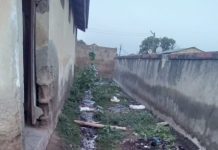

The Wa Metropolitan Assembly has warned sachet water producers in the Upper West Region that dirty premises will be shut down and owners prosecuted, as city authorities ramp up sanitation enforcement to restore Wa’s reputation as one of Ghana’s cleanest cities.
Wa, Upper West Region – May 12, 2026
Sachet water producers in Wa have been put on notice to clean up their operations or risk closure, as the Wa Metropolitan Assembly intensifies its crackdown on sanitation breaches during activities marking World Food Safety and Hygiene Day.
At a stakeholder engagement held on Tuesday at the Wa Municipal Assembly Auditorium, the Chief Executive Officer, Hon. Alhaji Nurah Issah Danwana, told producers that the days of lax enforcement are over. The Metropolitan Coordinating Director and the Environmental Health Officer joined him.
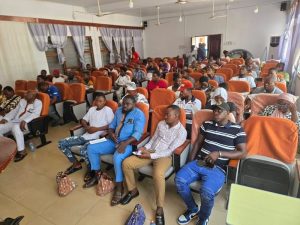

The MCE said the Assembly’s priorities are clear: sanitation, Business Operating Permits, and property rates. “All businesses are required by law to comply with permit and rate obligations. There will be no exceptions,” Hon. Danwana stated.
He announced that the Environmental Health Unit will begin aggressive inspections of production premises across the metropolis. “Premises found unclean may be closed, and offenders will face prosecution,” he warned.
Hon. Danwana also directed producers to provide adequate waste bins at their facilities, maintain clean surroundings, and actively support public waste management systems in their communities.
Framing sanitation as a “shared responsibility,” the MCE said the Assembly is determined to reclaim Wa’s image under its new campaign slogan, “Resetting, Keep Wa Clean and Green.”
“The Assembly has delivered on infrastructure and services. I urge all businesses to reciprocate through compliance and cooperation,” he added.
The engagement forms part of broader efforts by the Assembly to strengthen public-private collaboration and protect public health in the Wa Metropolis.
World Food Safety and Hygiene Day is observed globally to draw attention to foodborne risks and the importance of safe food handling practices from production to consumption.